

SpotsWhere to surfCampsTrip planner
Log a session
Surf Scout

Where’s the best place to surf? Skill-graded, honestly reviewed, globally indexed.

Explore
  • Camps & map
  • Best-of guides
  • Where to surf
  • Trip planner
  • Surf & work remotely
  • Surfboard airline fees
  • Board Check
  • Flying with a surfboard
  • Surf Fit Score quiz
Regions
  • Portugal
  • Morocco
  • Bali
  • Costa Rica
  • Sri Lanka
About
  • About
  • Trust & reviews policy
  • How we rate
  • Privacy
  • Analytics choice
  • Terms
  • Photo credits
  • Send feedback
© 2026 Surf Scout. Prototype build.We earn no commission on any link on this site.

Beach break · A-frame

Cacimba do Padre

Fernando de Noronha, Brazil

Skill: Levels 5-7
Typical size: 3–10 ft
SpotsWhere to surfCampsTrip plannerBoard CheckQuiz
Surfed here? Log a surf
  1. Map
  2. ›
  3. Brazil
  4. ›
  5. Cacimba do Padre

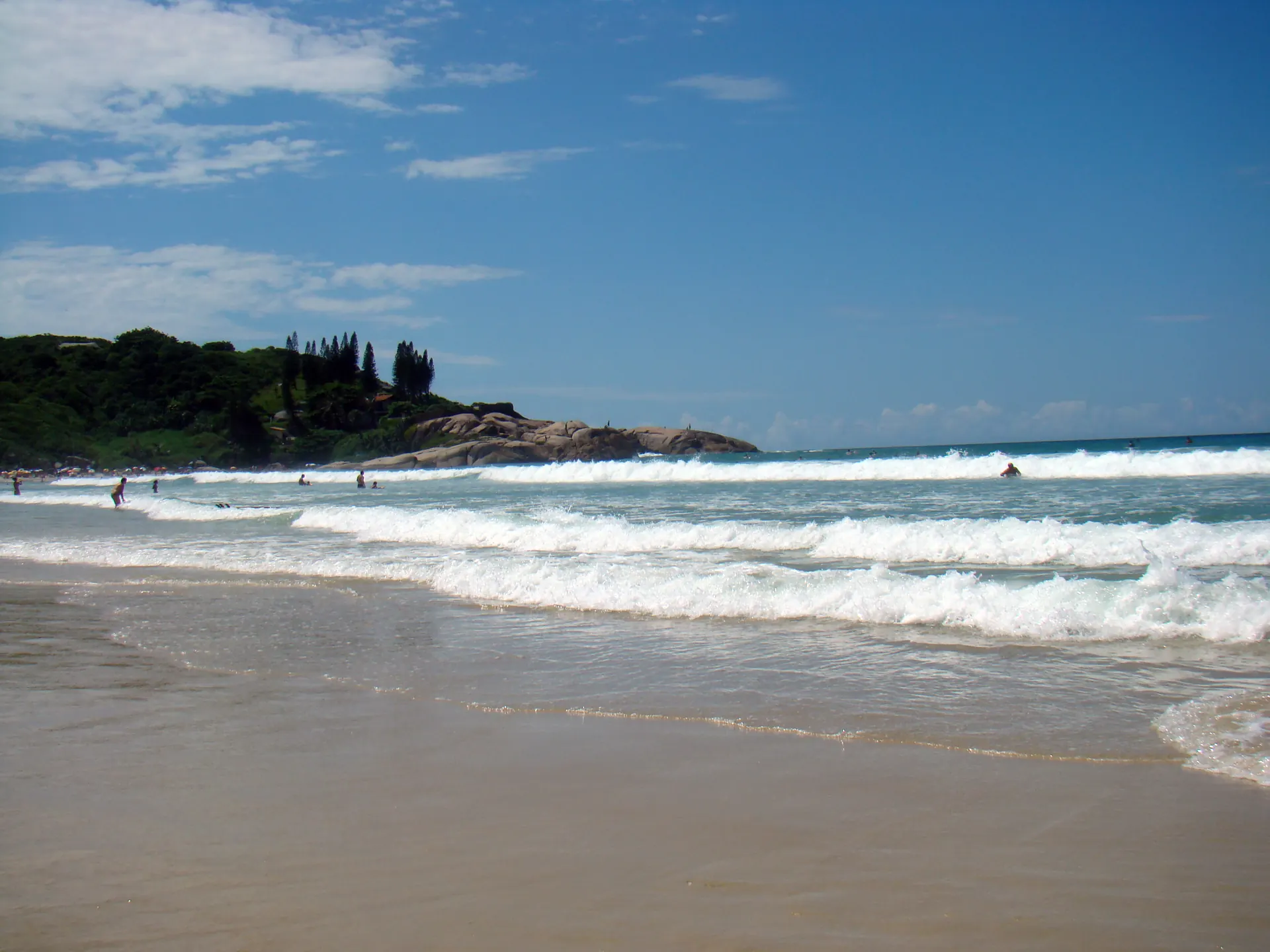
The "Brazilian Pipeline" — a fast, hollow, sand-over-rock a-frame framed by the iconic Morro Dois Irmãos, and the most powerful barrel in Brazil. A swell magnet that lights up on N/NW/NE Atlantic groundswells in the austral summer (Dec–Mar), offering a top-quality left corner plus the Laje da Cacimba tube that stands up over the reef. Clean warm water (26–28°C), SE trades blow offshore, and on solid swells it easily doubles overhead.

Plan a trip here →

Advanced details

The granular read for surfers who want it.

Wave type
Beach break
Bottom
sand+rock
Direction
A-frame
Best swell
N,NW
Best wind
S,SE
Best tide
mid-low
Paddle
4/5
Localism
2/5
Water quality
5/5

Surf report

Live
1/5

Flat or junky

2 of 3 lined up. Wind and tide suit Cacimba do Padre, but the swell is coming from the wrong angle.

Next fair window: 29 Nov 2026, 06:00

Live conditions

12:00 (local)
Wave
1.7m
from ESE
Period? (what does this mean?)Time between waves. Longer period = more powerful, better-organised waves.
7.9s
Swell? (what does this mean?)Waves made by distant storms, smoother and more ordered than the choppy waves a local wind whips up.
1.6m
8s from ESE
Wind? (what does this mean?)Offshore wind (land to sea) holds waves up and smooths their faces; onshore wind (sea to land) makes them crumble and close out sooner.
24km/h
from SE
Estimated wave energy? (what does this mean?)How much power each metre of wave front carries (kW/m), worked out from height and period — higher numbers mean waves that push harder.
~11 kW/m(Moderate)

Calculated by us from the height and period above, not measured — and it describes the swell offshore, not the wave at the break.

Waves from DWD Global WAM, wind from ECMWF IFS, for a model grid point 13 km from the break. Fetched 22 Nov 2026, 10:00. Times on this card are local to Cacimba do Padre. Weather data by Open-Meteo.com, licensed CC BY 4.0. Not a suitability or safety assessment — check local conditions and ask your instructor.

weak period.

Why
✗
Swell
best: N,NW
✓
Wind? (what does this mean?)Wind blowing roughly along the coastline rather than from the land or the sea. Less help and less harm than a head-on offshore or onshore wind.
best: S,SE
✓
Tide? (what does this mean?)Where the sea sits in that day's own rise and fall — low, mid or high for THIS spot and THIS day, not a fixed height everywhere shares.
best: mid-low

Next 7 days

The best-rated window in the cached forecast.

Best day this week · Today (22 Nov)
1/5Flat or junky
1.7–1.7m8s period swell from ESE26km/h windfrom SE

This is the week's best-rated wave quality, not a suitability call. Take the 2-minute quiz to see how Cacimba do Padre fits your level.

Surf outlook

Today’s call (
our estimate? (what does this mean?)A 1-5 score of how organised the waves look, from forecast height, period and wind speed — it rates the waves, not whether they fit your ability.
)
1/5Flat or junky

Sunrise around 05:46, sunset around 18:05 today.

Mon’s call (
our estimate? (what does this mean?)A 1-5 score of how organised the waves look, from forecast height, period and wind speed — it rates the waves, not whether they fit your ability.
)
1/5Flat or junky

Sunrise around 05:46, sunset around 18:05 on Mon.

Tue’s call (
our estimate? (what does this mean?)A 1-5 score of how organised the waves look, from forecast height, period and wind speed — it rates the waves, not whether they fit your ability.
)
1/5Flat or junky

Sunrise around 05:47, sunset around 18:05 on Tue.

Wed’s call (
our estimate? (what does this mean?)A 1-5 score of how organised the waves look, from forecast height, period and wind speed — it rates the waves, not whether they fit your ability.
)
1/5Flat or junky

Sunrise around 05:47, sunset around 18:06 on Wed.

Thu’s call (
our estimate? (what does this mean?)A 1-5 score of how organised the waves look, from forecast height, period and wind speed — it rates the waves, not whether they fit your ability.
)
1/5Flat or junky

Sunrise around 05:47, sunset around 18:06 on Thu.

Fri’s call (
our estimate? (what does this mean?)A 1-5 score of how organised the waves look, from forecast height, period and wind speed — it rates the waves, not whether they fit your ability.
)
1/5Flat or junky

Sunrise around 05:47, sunset around 18:06 on Fri.

Sat’s call (
our estimate? (what does this mean?)A 1-5 score of how organised the waves look, from forecast height, period and wind speed — it rates the waves, not whether they fit your ability.
)
1/5Flat or junky

Sunrise around 05:48, sunset around 18:07 on Sat.

Tide todayHigh around 02:00 (+1.0m)Low around 09:00 (-0.8m)High around 15:00 (+1.1m)Low around 21:00 (-0.9m)
nowHigh 02:00+1.0mLow 09:00-0.8mHigh 15:00+1.1mLow 21:00-0.9m
Model estimate (MeteoFrance SMOC), heights relative to
mean sea level? (what does this mean?)The long-run average height of the sea surface — tide heights are metres above (+) or below (−) that average.
, times approximate — not a tide table and not for navigation.
Tide MonHigh around 03:00 (+1.1m)Low around 09:00 (-0.9m)High around 16:00 (+1.2m)Low around 22:00 (-1.0m)
High 03:00+1.1mLow 09:00-0.9mHigh 16:00+1.2mLow 22:00-1.0m
Model estimate (MeteoFrance SMOC), heights relative to
mean sea level? (what does this mean?)The long-run average height of the sea surface — tide heights are metres above (+) or below (−) that average.
, times approximate — not a tide table and not for navigation.
Tide TueHigh around 04:00 (+1.2m)Low around 10:00 (-1.0m)High around 16:00 (+1.3m)Low around 23:00 (-1.1m)
High 04:00+1.2mLow 10:00-1.0mHigh 16:00+1.3mLow 23:00-1.1m
Model estimate (MeteoFrance SMOC), heights relative to
mean sea level? (what does this mean?)The long-run average height of the sea surface — tide heights are metres above (+) or below (−) that average.
, times approximate — not a tide table and not for navigation.
Tide WedHigh around 05:00 (+1.1m)Low around 11:00 (-1.0m)High around 17:00 (+1.3m)Low around 23:00 (-1.1m)
High 05:00+1.1mLow 11:00-1.0mHigh 17:00+1.3mLow 23:00-1.1m
Model estimate (MeteoFrance SMOC), heights relative to
mean sea level? (what does this mean?)The long-run average height of the sea surface — tide heights are metres above (+) or below (−) that average.
, times approximate — not a tide table and not for navigation.
Tide ThuHigh around 06:00 (+1.1m)Low around 12:00 (-0.9m)High around 18:00 (+1.3m)
High 06:00+1.1mLow 12:00-0.9mHigh 18:00+1.3mLow 00:00-1.0m
Model estimate (MeteoFrance SMOC), heights relative to
mean sea level? (what does this mean?)The long-run average height of the sea surface — tide heights are metres above (+) or below (−) that average.
, times approximate — not a tide table and not for navigation.
Tide FriLow around 00:00 (-1.0m)High around 06:00 (+1.1m)Low around 12:00 (-0.8m)High around 19:00 (+1.2m)
Low 00:00-1.0mHigh 06:00+1.1mLow 12:00-0.8mHigh 19:00+1.2m
Model estimate (MeteoFrance SMOC), heights relative to
mean sea level? (what does this mean?)The long-run average height of the sea surface — tide heights are metres above (+) or below (−) that average.
, times approximate — not a tide table and not for navigation.
Tide SatLow around 01:00 (-0.9m)High around 07:00 (+0.9m)Low around 13:00 (-0.7m)High around 20:00 (+1.1m)
Low 01:00-0.9mHigh 07:00+0.9mLow 13:00-0.7mHigh 20:00+1.1m
Model estimate (MeteoFrance SMOC), heights relative to
mean sea level? (what does this mean?)The long-run average height of the sea surface — tide heights are metres above (+) or below (−) that average.
, times approximate — not a tide table and not for navigation.

Times on this card are local to Cacimba do Padre. The star call is our own estimate, calculated from the forecast height, period and wind speed — not measured, and not a suitability or safety assessment. How we rate explains the scale. Weather data by Open-Meteo.com, licensed CC BY 4.0. Fetched 22 Nov 2026, 10:00.

Surf Snapshot

Estimated seasonal guidance — not a live forecast.

Nov
Consistency this monthEstimated
Moderate
Beginner safety
Risky
Crowd
Busy
Water quality
Pristine
Typical size: Chest-to-double overhead (3-10 ft)
Recommended boardsShortboardFish
Year-round consistency
Nov: Moderate consistencyTap a month

Quick answers about Cacimba do Padre

Where is Cacimba do Padre?

Cacimba do Padre is in Fernando de Noronha, Brazil.

What level is Cacimba do Padre for?

Cacimba do Padre suits Levels 5-7 surfers.

When is surf most consistent at Cacimba do Padre?

Our seasonality estimates put Cacimba do Padre's most consistent surf in Jan–Mar. This is seasonal guidance, not a live forecast.

  • Peak consistency rating: All-time (on our 0-5 scale).

When to surf Cacimba do Padre, month by month

Estimated from our authored seasonality — not a live forecast.

Peak season: Jan, Feb, Mar (All-time).

Month-by-month surf consistency for Cacimba do Padre
MonthSurf consistency
JanpeakAll-time
FebpeakAll-time
MarpeakAll-time
AprModerate
MayInconsistent
JunRare
JulyRare
AugRare
SeptRare
OctInconsistent
NovModerate
DecHigh

Does this wave fit your level?

Rated for Levels 5-7 · Best at Level 6.

Take the 2-minute quiz to see if Cacimba do Padre fits you today.

Find my Level →

Beginner notes

Not a beginner wave under any conditions — it breaks powerfully over a shallow flat rock shelf and snaps boards. Beginners and improvers go to Praia da Conceição (gentle sandy rollers, all the island's surf schools) or the smaller, sheltered peaks at Praia do Meio and Praia do Cachorro on small days. Note the inverted season: Noronha is best Dec–Mar and largely flat mid-year.

Hazards

  • shallow reef
  • heavy waves
  • strong currents
  • remote
  • marine park rules

Best months to surf here

In-season months for Brazil, from our editors’ season calendar.

  • May
  • Jun
  • Jul
  • Aug
  • Sep

On the map