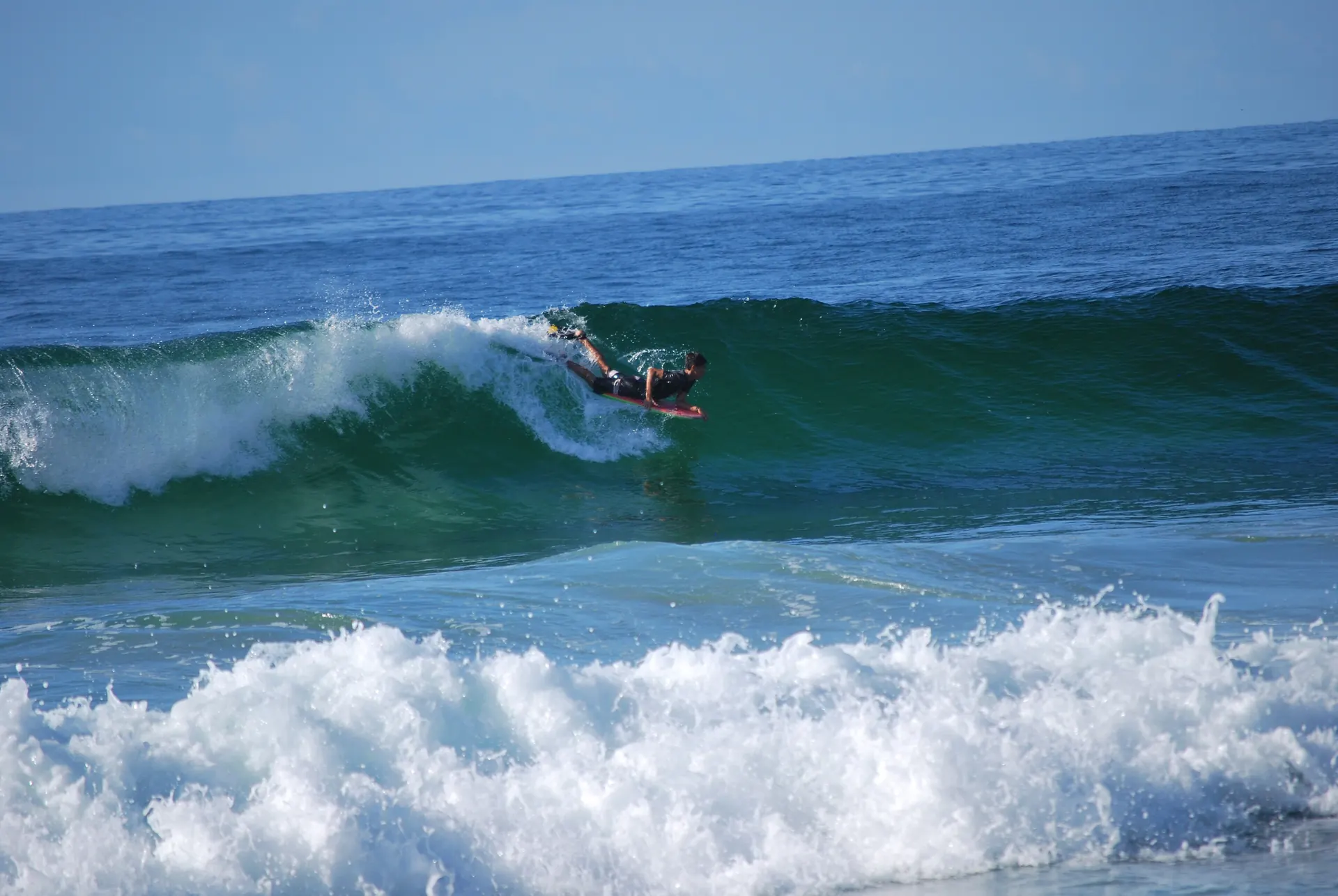

Pacific Coast
Surf camps in Mexico
Three very different Pacific coasts. Nayarit (Sayulita, San Pancho, Punta Mita) is the gentle, family-friendly end; Guerrero (Troncones, La Saladita) is a longboarder's dream of long, sand-bottom left points; and Oaxaca (Puerto Escondido) runs from the mellow left of La Punta to Zicatela, one of the heaviest beach breaks on earth.
Surf camps in Mexico: quick answers
Where are the surf camps in Mexico?
We list 10 surf camps in Mexico across 4 stretches of coast: Baja California Sur — Todos Santos & Pescadero, Nayarit — Sayulita & San Pancho, Guerrero — Troncones & La Saladita and Oaxaca — Puerto Escondido.
- Baja California Sur — Todos Santos & Pescadero: Pescadero Surf Camp, Mario Surf School
- Nayarit — Sayulita & San Pancho: WildMex Surf & Adventure, Hostel San Pancho, Lunazul Surf School
- Guerrero — Troncones & La Saladita: Surfari Mexico, Log Surf Retreats, Troncones Point Hostel
- Oaxaca — Puerto Escondido: Puerto Surf, Oasis Surf & Spanish School
How much does a surf camp in Mexico cost?
Published weekly rates for the camps we list in Mexico start at anywhere from $140/week to $2000/week, depending on the camp.
- 8 of 10 camps in our catalog publish a weekly rate.
- Entry-level option: from $140/week.
- Top-end option: from $2000/week.
Best time to surf in Mexico
The best time to surf in Mexico is May–Oct.
- Peak months: May, Jun, Jul, Aug, Sep, Oct.
Last verified against the camps' own sources:
Surfing in Mexico, month by month
Why Mexico
Mexico is really three surf trips wearing one flag, and picking the wrong one is the classic mistake.
- Nayarit (Sayulita / San Pancho / Punta Mita) — soft, forgiving, warm, and the single best place in the country to learn. La Lancha is a gentle point that a first-timer can genuinely surf.
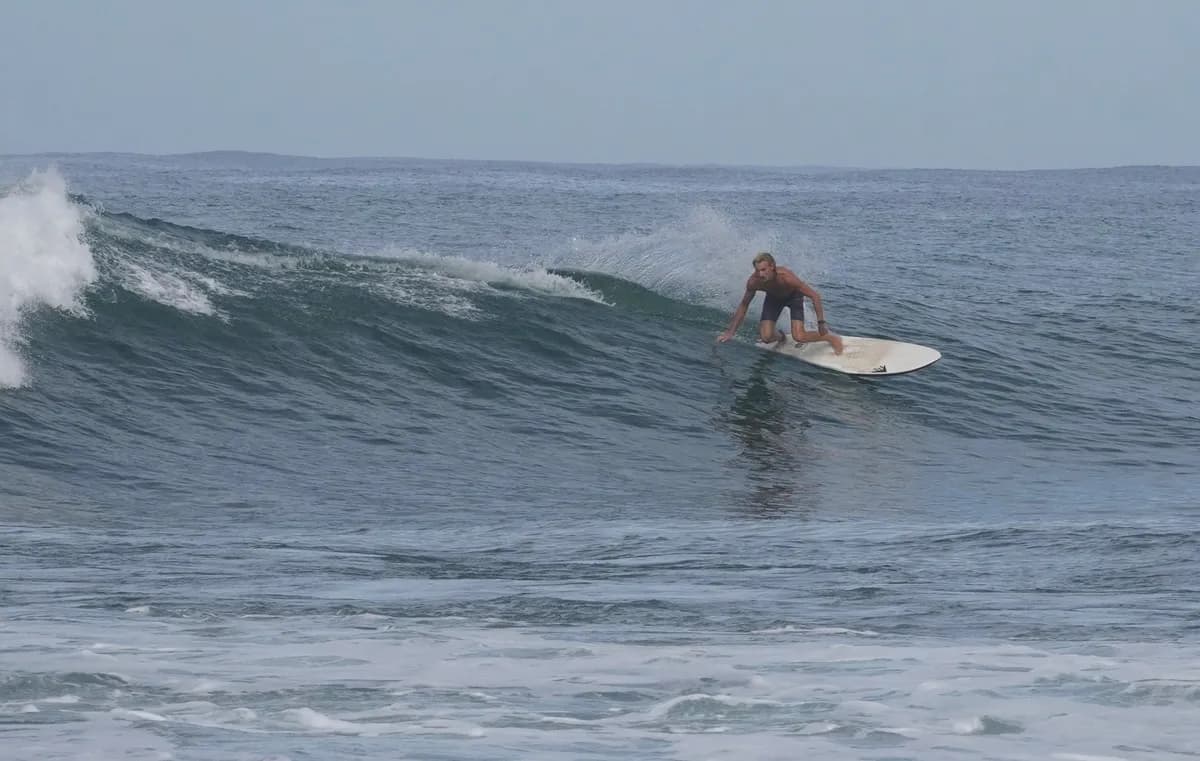
- Guerrero (Troncones / La Saladita) — long, peeling, sand-bottom left points. Paradise on a longboard, and quiet by Mexican standards.
- Oaxaca (Puerto Escondido) — a split personality. La Punta is a friendly left; Zicatela is a heavy, hollow, genuinely dangerous beach break that has hurt a lot of confident surfers. They are a fifteen-minute walk apart, which is exactly why people get caught out.
When to go
- May–Oct: the south-swell season. Biggest, most consistent surf — and the rainy (green) season. The rain is mostly short afternoon storms; the swell is the point.
- Nov–Apr: smaller, drier, calmer. Better for beginners, thinner for everyone else.
Getting around
Fly into Puerto Vallarta for Nayarit, Zihuatanejo for Troncones, or Puerto Escondido (PXM) for Oaxaca. These are not day trips from one another — Puerto Escondido and Sayulita are a thousand kilometres apart. Pick one coast per trip.
Watch before you go
3 videos about surfing Mexico.
- Salina Cruz (Mexico): Surf Travel Guide
Dan Harmon · Location review · Jul 2026
- Mexico’s Most Crowded (& Perfect) Right Point…
Dan Harmon · Location review · Jun 2024
- Not Just Any Old Pointbreak…
Dan Harmon · History & local issues · May 2025
Independent creators, not affiliated with Surf Scout. Links open on YouTube. Topic chips jump to that part of the video. Conditions change, so check the upload date.
Flying your boards to Mexico
Puerto Escondido International Airport
Airport code PXM. Airlines on our checked list serving it:
- AeroMexicoFee applies
- WestJetFee applies
Surf camps in Mexico
Surf twice a day (what does this mean?)
Camps whose own page says you can surf two sessions a day, either included in the price or as a paid extra. Camps we have not checked yet are left out, not guessed.
Baja California Sur — Todos Santos & Pescadero
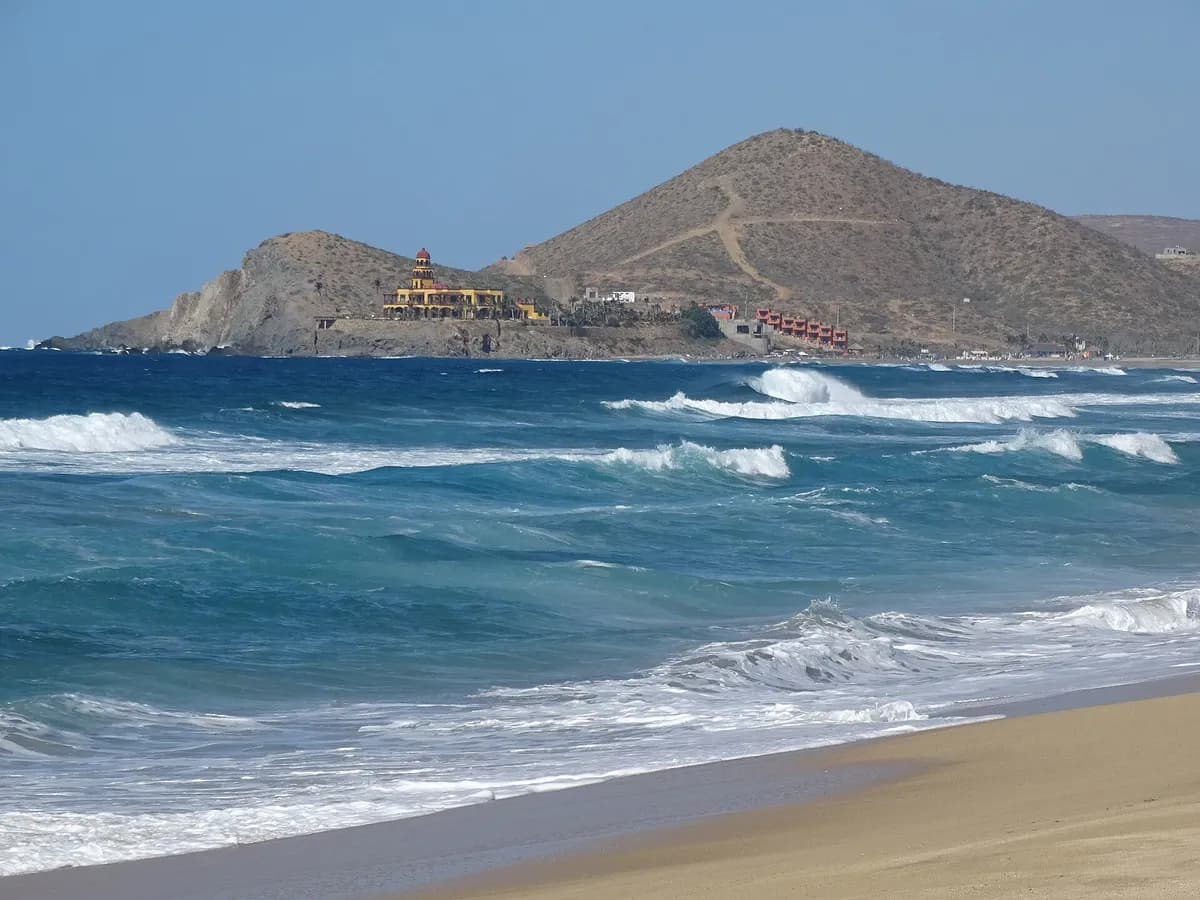
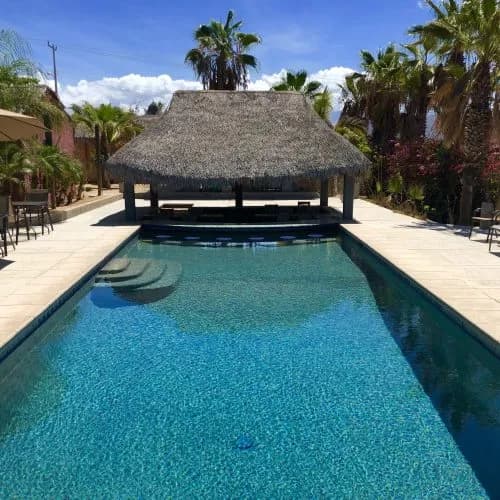
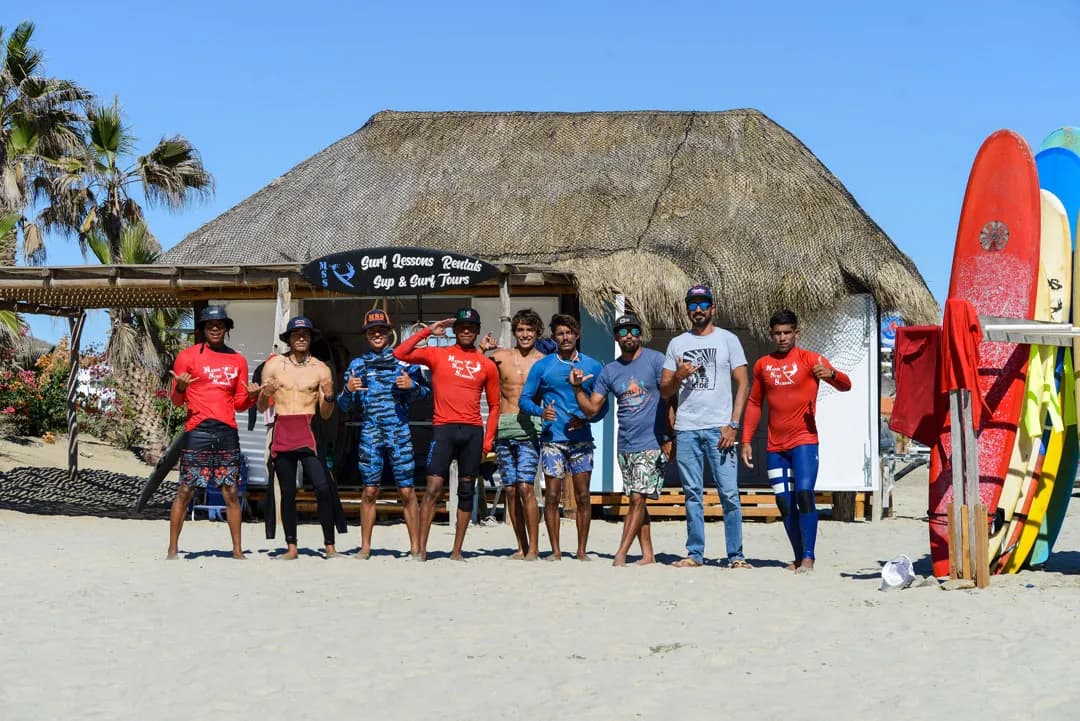
Best: May–OctDesert peninsula an hour up from Los Cabos, where Los Cerritos takes most of the beginner traffic and the season is the summer south swell.
Nayarit — Sayulita & San Pancho
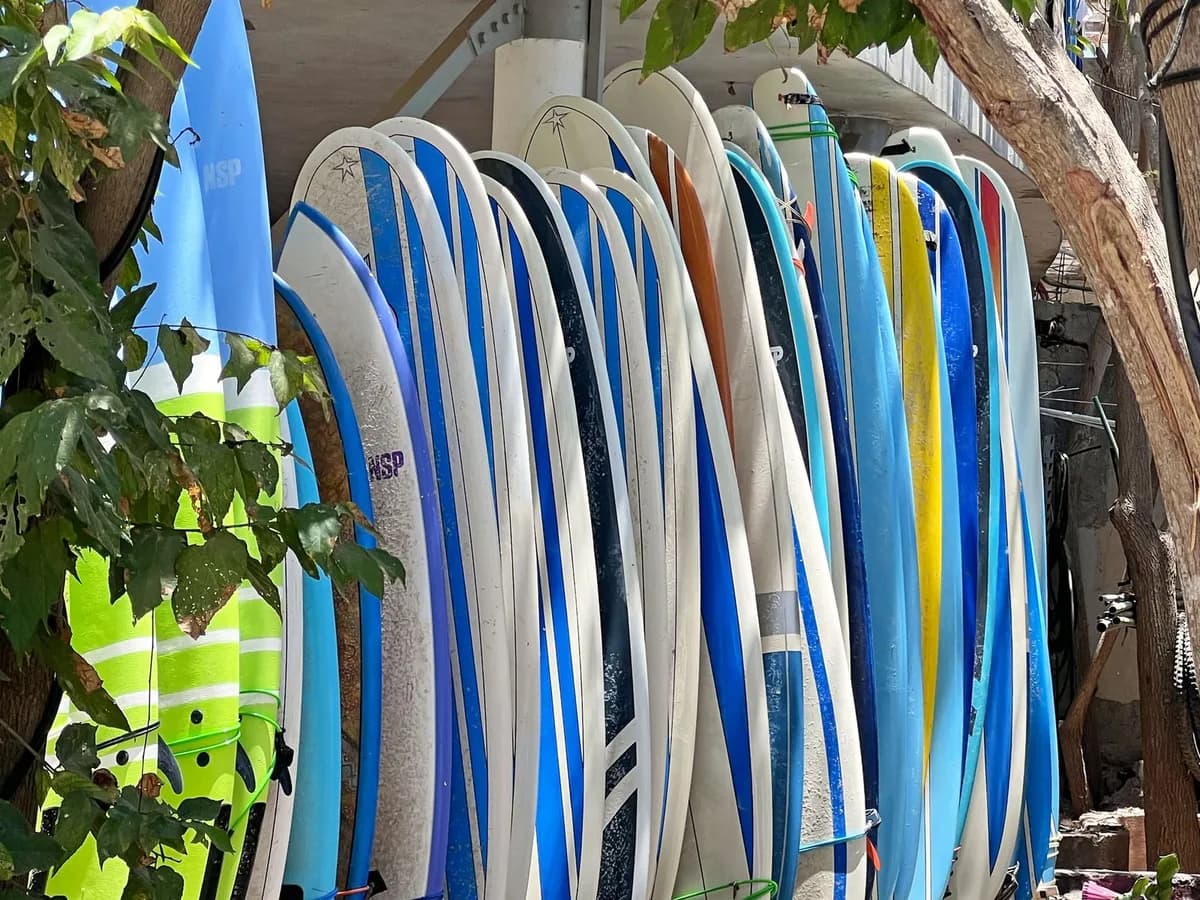
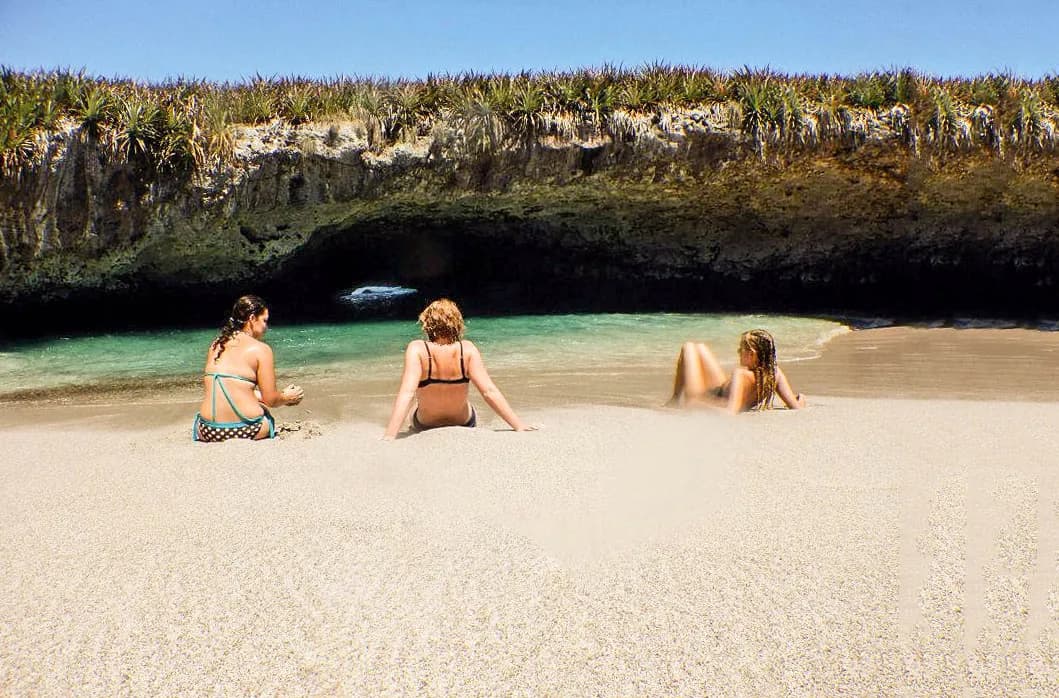
Best: May–OctThe gentle, family-friendly end of the coast, an hour north of Puerto Vallarta.

Guerrero — Troncones & La Saladita
Best: May–OctLong, sand-bottom left points — a longboarder’s coast, and the quietest of the three.
Surfari Mexico
$$$$
Oaxaca — Puerto Escondido
Best: May–OctLa Punta’s mellow left at one end of the bay and Zicatela, one of the heaviest beach breaks on earth, at the other.